


"Cats are rather delicate creatures and they are subject to a good many ailments, but I never heard of one who suffered from insomnia." ~ Joseph Wood Krutch
Cats are masters at hiding illness, and because changes in their normal behavior are usually the first signs of sickness, cat owners should know what to look for and when to contact a veterinarian.
These changes may include the following:
Inappropriate Elimination Behavior or Litter Box Use
Inappropriate urination and defecation often accompany an underlying medical condition and do not occur "to get
back at the owner."
A cat that is urinating inappropriately may have any number of conditions associated with the behavior, including lower urinary tract disease, kidney disease, urinary tract infection and diabetes mellitus.
It can also be a sign of arthritis, which makes it difficult for the cat to get into the litter box.
Blockage of the urinary tract signals a veterinary emergency. A blockage is treatable, but timing is critical. Once identified, the cat must receive veterinary care as soon as possible. Otherwise, fatal complications could develop.
Signs include straining in the litter box with little or no results, crying when urinating and frequent attempts to urinate.
Changes in Interaction
Cats are social animals and enjoy interactions with their human family and often with other pets. Changes in those
interactions may signal problems such as disease, fear and anxiety. It may also signal pain, which can cause
aggression. For example, a cat may attack an individual who causes pain (a person combing over a cat's arthritic
hips or brushing a diseased tooth).
Changes in Activity
A decrease or increase in activity can be a sign of a number of conditions. As cats age, there is increased risk
of arthritis. Discomfort from joint disease or systemic illnesses can also lead to a decrease in activity.
It's important to understand cats don't usually slow down just because they are old. Increased activity is often seen with hyperthyroidism. Changes in activity warrant a visit to your veterinarian.
Changes in Sleeping Habits
The key to differentiating abnormal lethargy from normal napping is knowing your cat's sleeping patterns. The
average adult cat may spend 16 to 18 hours per day sleeping. This is normal, but much of that sleeping is
"catnapping."
The cat should respond quickly to usual stimuli, such as the owner walking into the room or cat food being prepared. If your cat is sleeping more than usual or has discomfort laying down and getting up, this may be a sign of underlying disease.
Changes in Food and Water Consumption
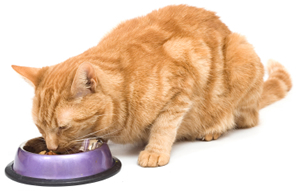 Contrary to popular belief, most cats are not "finicky" eaters.
Look for changes, such as a decrease or an increase in consumption and how the cat chews its food.
Decreased food intake can be a sign of a number of disorders, ranging from poor dental health to cancer. Increased food consumption can be caused by diabetes mellitus, hyperthyroidism or other health problems.
Changes in water consumption may be more difficult to observe, especially in cats that spend time outdoors or drink from toilets and sinks. Increased water intake can be an early indicator of thyroid problems, kidney disease, diabetes or other problems.
If food and water intake is questionable, you can measure the food and water given, and re-measure what remains after 24 hours to get a more accurate picture of actual consumption.
Unexplained Weight Loss or Gain
A change in weight does not necessarily correlate with a change in appetite. Cats with hyperthyroidism or diabetes
mellitus can lose weight despite good appetites.
Many other diseases cause both appetite and weight loss. If your cat goes to the food dish and then backs away from it without eating, nausea may be the source.
Weight changes often go unnoticed because of a cat's thick coat. You can assess body condition by feeling gently along the ribs. The ribs should be easily felt but not prominent.
On the other hand, obesity has become a serious health concern in cats, with increased risk of diabetes mellitus, joint disease and other problems.
Cat owners can purchase small pet scales to chart weight at home. Take the cat to the veterinarian if there are unexplained changes in weight.
Changes in Grooming
Typically, cats are fastidious groomers. Note whether your cat's coat is clean and free of mats. Patches of hair
loss or a greasy or matted appearance can signal an underlying disease.
Also be aware if your cat has difficulty grooming. A decrease in grooming behavior can indicate a number of conditions, including fear, anxiety, obesity or other illnesses. An increase in grooming may be a sign of a skin problem.
Signs of Stress
Yes, your cat can be stressed despite having an "easy" life. Boredom and sudden changes are common causes of
stress in cats. Stressed cats may demonstrate decreased grooming and social interaction, spend more time awake
and scanning their environment, hide more, withdraw and exhibit signs of depression, and have an increased or
decreased appetite.
These same signs may indicate a medical condition. It is important to rule out medical problems first and then address the stress. Because the social organization of cats is different from people and dogs, changes in the family, such as adding a new pet, should be done gradually.
Please contact your veterinary hospital for information on how to successfully make changes in the household.
Changes in Vocalization
Increased vocalization or howling is more common in older cats and is often seen with some underlying condition.
Many cats also have increased vocalization if they are in pain or anxious.
If you note a change in vocalization, schedule an appointment with your veterinarian to rule out medical problems and to obtain suggestions for minimizing or eliminating the behavior.
Bad Breath
Studies show 70 percent of cats have gum disease as early as age three. Since dental disease is considered a
silent disease, it is important to have your cat's teeth checked every six months to help prevent dental disease
or to start treatment early.
One of the early indicators of an oral problem is bad breath. Regular home teeth brushing and veterinary dental care prevent bad breath, pain, tooth loss and spread of infection to other organs.
Information adapted from www.catwellness.org